
Advancements in modern medicine offer new opportunities in healing, and new ways of treating spine and joint pain. Novus Spine & Pain Center can treat inflammatory conditions and joint pain with regenerative medicine.
Treatments like stem cell therapy, platelet-rich plasma (PRP), and prolotherapy treat conditions that were once beyond repair with more traditional medicine. Instead of masking pain, regenerative medicine has the potential to repair damaged tissues using a patient’s own cells.
Opioid Treatment Options
Previously, there were only a few effective ways to treat the root causes of many diseases and injuries. In many cases, doctors could only manage a patient’s symptoms with medication, such as powerful pain-reducing prescription opioids. Opioids, like oxycodone, hydrocodone, morphine, and others, have potential benefits as well as dangerous risks.
Opioids, when in the body, attach to nerve cells and can relieve pain, even after serious injury. They also produce a pleasurable effect which makes them highly addictive. If not treated properly, a person using opioid prescription medication can develop a dependence on the drug.
Regenerative Medicine Treatment Options
There are three major types of regenerative medicine: stem cell therapy, platelet-rich plasma (PRP), and prolotherapy.
Stem Cell Therapy
Stem cells are the body’s raw building materials that aid the body’s natural healing process, forming all other specialized cells in the body by dividing to become new cells (under the right conditions). These new cells can either become new stem cells (self-renewal), or they can become specialized cells (differentiation) with a more specific function, such as blood cells, muscle cells, or bone. Also, in many tissues, adult stem cells serve primarily as an internal repair system, dividing essentially without limit to replenish other cells, as long as the person (or animal) is alive.
Platelet-Rich Plasma (PRP)
Four components make up human blood: red blood cells, white blood cells, plasma, and platelets. Platelets have several functions in the body. One is to promote blood clotting to help avoid excessive bleeding, such as from a cut. The blood’s platelets also contain proteins that help heal wounds.
Platelet-rich plasma therapy uses the blood’s plasma-rich platelets. The treatment is designed to increase the number of platelets in the body and deliver a large concentration of healing growth factors via an injection that can boost tissue recovery. Doctors use PRP injections to promote the healing of soft tissue.
Prolotherapy
Prolotherapy is a recognized orthopedic procedure that stimulates the body’s healing processes to strengthen and repair injured and painful joints, and connective tissue. The process is also referred to as Proliferative Therapy, Non-Surgical Ligament and Tendon Reconstruction, or Regenerative Joint Injection.
Prolotherapy consists of a series of injections, several weeks apart, of a mildly irritating substance at the area of pain or instability. Newer formulations now include PRP as well as autologous (cells obtained from the same individual) adult stem cells.
The injected solution stimulates the body’s healing response which naturally increases blood flow. Areas of chronic pain (such as joints, ligaments, tendons, or even discs) typically have an inadequate blood supply. Prolotherapy helps the body build up fibrous tissue or collagen to thicken and strengthens the ligament or tendon, reducing pain. Follow-up prolotherapy treatments help continue rebuilding tissue gradually to restore strength to the area.
Regenerative Medicine Safety
Stem cell, PRP, and prolotherapy therapies are considered safe because the material is collected from the patient, minimizing the risk of an unwanted reaction. The most common side effects from the injections are temporary swelling and some minor pain.
As with most regenerative therapies, research is ongoing, and FDA regulations are subject to change.
Function of Regenerative Therapy
Regenerative medicine is not new. The first bone marrow and solid-organ transplants were done decades ago. However, advances in cell biology and immunology have unlocked new opportunities to refine existing regenerative therapies and develop new procedures. Doctors now have the potential to fully heal damaged tissues and organs using a patient’s own tissues.
Depending on the need, regenerative medicine serves three functions:
- Rejuvenation. Rejuvenation boosts the body’s natural ability to heal itself. Even though a cut on the skin heals within a few days, our internal organs don’t repair themselves as quickly.
- Replacement. Replacement uses healthy cells, tissues, or organs from the patient or a donor to replace damaged ones
- Regeneration. Regeneration involves the use of specific types of cells or cell products to restore tissue and organ function. A bone marrow transplant is one example.
Regenerative therapy uses a patient’s own tissues to treat the following conditions, and much more:
- Arthritis – Platelet-rich plasma (PRP) can help repair damaged cartilage, tendons, ligaments, muscles, and bone. It is possible to slow the progression of osteoarthritis with PRP and actually stimulate the formation of new cartilage.
- Back Injuries – Patients with torn and painful discs can benefit from stem cell injections into the damaged disc. Patients suffering from bulging discs and problems related to a herniated disc can benefit from PRP Therapy for relief from lower back or neck pain, leg pain, or numbness and tingling in the arms, hands, legs, or feet.
- Foot & Ankle Injuries – Some of the conditions that regenerative therapies can help treat include:
- Plantar fasciitis.
- Achilles tendonitis.
- Diabetic foot ulcers.
- Bone regeneration.
- Ankle sprains.
- Hair Loss – Stem cell therapy can stimulate and regenerate new hair growth. PRP helps promote hair growth by prolonging the growing phase of the hair cycle.
- Hand & Wrist Injuries – Some of the more common hand and wrist injuries treated with stem cells, platelet-rich plasma (PRP), and prolotherapy procedures include:
- Arthritis at the base of the thumb (metacarpo-trapezio joint).
- Carpal Tunnel Syndrome.
- Chronic Thumb Sprain (“skier’s sprain”).
- De Quervians Tendonitis.
- Flexor tendon nodules (“trigger finger”).
- Ganglion Cyst.
- Mallet finger (joint furthest from hand) and boutonniere deformity (middle joint).
- Wrist Arthritis.
- Wrist Fracture and Broken wrist.
- Wrist Sprain (also “triangular fibrocartilage complex” – TFCC injuries).
- Hip Injuries – Regenerating bone and cartilage with regenerative therapy is a viable alternative to surgery for many hip injury patients.
- Knee Injuries – Perhaps the most common joint disease is osteoarthritis which causes bone cartilage to break down. Because it’s not supplied with blood vessels, cartilage doesn’t self-repair making regenerative therapy an excellent choice for this type of injury.
- Sports & Athletic Injuries – Stem cell therapy can treat shoulder, knee, hip, and spine degeneration, in addition to soft tissue (muscle, tendon, ligament) and other bone-related injuries.
Additionally, regenerative therapies are also effective “anti-aging” treatments. The idea that we can biologically modify human frailty, slow down aging, and reverse the signs of aging is the basis for stem cell and PRP therapies. Treatments utilizing regenerative medicine cause our body’s natural healing processes to work more efficiently and more rapidly. These therapies allow the body to regenerate in ways that it would not ordinarily be capable of without outside help.
Novus Spine & Pain Center
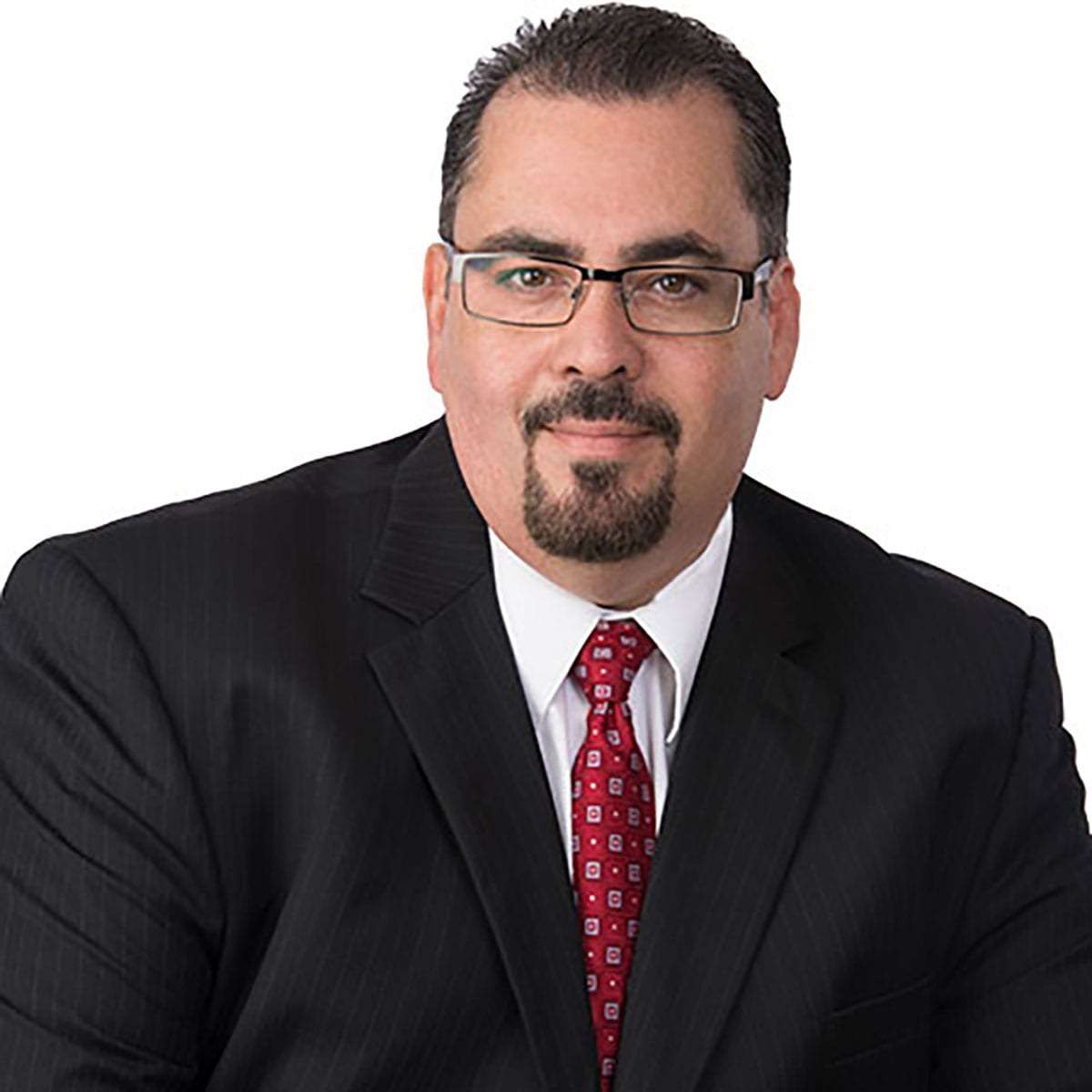
Dr. Torres established Novus Spine & Pain Center in Lakeland, Florida with the goal of providing the highest quality care to every patient. Whether pain is the result of an injury or from another condition, Dr. Torres offers treatment options that include regenerative medicine.
Novus Spine & Pain Center utilizes a comprehensive approach and cutting-edge therapies to restore normal function and allow patients to regain an active lifestyle while minimizing the need for opiates. As a patient, you are our top priority. Our goal is to help you achieve the best possible quality of life.
Our Mission Statement: To provide the best quality of life to people suffering from pain, by providing state of the art treatments, knowledge and skill, compassion, and respect for all.
For your convenience, you may schedule an appointment online, request a call back, or call our office at 863-583-4445.
Regenerative Medicine Resources
About Regenerative Medicine (Mayo Clinic)
Opioid Medications (U.S. Food & Drug Administration)
How Do Opioids Work? (National Institute on Drug Abuse)
Image Credit: Wikimedia

Updated: June 30, 2026