
In recent years, pain management has significantly evolved. Pain management has increasingly emphasized non-opioid and non-surgical options, while reserving opioids for carefully selected cases where benefits are expected to outweigh risks. Today, specialized medical providers focus on improving function and quality of life through conservative, minimally invasive techniques.
While results vary by individual, these modern interventions may help patients regain mobility with less downtime than traditional open surgeries. The goal of modern care is often a tiered approach, starting with physical therapy and advancing to targeted interventions only when necessary.
Key Takeaways
- Chronic pain management has shifted toward conservative and minimally invasive procedures that may improve daily function.
- A tiered care approach allows patients to start with physical therapy and progress to targeted interventions, such as nerve blocks, only if necessary.
- Opioids are typically reserved for carefully selected cases where the expected benefits for pain and function outweigh the potential risks.
Understanding the Spectrum of Modern Care
The contemporary approach to pain management emphasizes tiered care, prioritizing the least invasive options before progressing to more advanced techniques. This philosophy allows patients and pain specialists to evaluate how the body responds to conservative therapies without immediately committing to irreversible procedures.
Additionally, by differentiating between acute tissue injuries and complex chronic pain conditions, doctors can create highly individualized treatment plans.
Physical Therapy and Rehabilitation
Physical therapy serves as the foundation of conservative care, addressing the biomechanical roots of musculoskeletal issues. Through targeted strengthening, flexibility exercises, and posture correction, physical therapists work to stabilize the body and relieve pressure on compromised nerves or joints. Although some patients fear that exercise will worsen their condition, a guided, graded exposure approach can gradually build tolerance and may improve overall physical function.
Pharmacological Management Beyond Opioids
When medication is necessary, modern pain management strongly favors non-opioid pathways to mitigate the risks of dependency whenever possible. Providers often utilize nonsteroidal anti-inflammatory drugs (NSAIDs), muscle relaxants, and nerve-specific medications to manage persistent symptoms. While these pharmacological options can provide significant relief, they are generally used as part of a comprehensive strategy rather than a standalone cure.
Minimally Invasive Procedures
When conservative pain treatments do not provide adequate relief, physicians may recommend minimally invasive interventions.
Minimally invasive procedures usually involve smaller incisions or targeted needle placement and are often outpatient, but they still carry risks and may not be appropriate for every patient. These interventions aim to interrupt pain signals or reduce localized inflammation, offering potential relief without the extensive tissue damage associated with traditional surgery.
Epidural Steroid Injections and Nerve Blocks
Epidural steroid injections deliver corticosteroids and local anesthetics directly into the epidural space surrounding the spinal nerves. This targeted delivery mechanism is designed to reduce severe inflammation associated with conditions such as herniated discs or spinal stenosis. Epidural steroid injections are generally used for short-term symptom reduction, as long-term benefit is less predictable and varies widely among patients.
Radiofrequency Ablation
Radiofrequency ablation (RFA) is an advanced technique that uses thermal energy to intentionally create a lesion in a specific, targeted nerve. By disrupting the targeted nerve’s ability to transmit pain signals, RFA can provide relief for selected types of facet-mediated or joint-related pain. However, relief is often temporary because nerves may regenerate, meaning the procedure may need to be repeated after several months.
Neuromodulation and Spinal Cord Stimulation
Spinal cord stimulation (SCS) utilizes mild electrical impulses to intercept and mask pain signals before they reach the brain. This technology involves a unique two-stage process, beginning with a temporary trial phase that allows patients to test the device’s effectiveness before committing to a permanent implant.
Clinical studies suggest that high-frequency SCS can provide clinically meaningful pain relief for appropriately selected patients with chronic back and/or leg pain, though outcomes vary.
Minimally Invasive Lumbar Decompression
Minimally Invasive Lumbar Decompression (MILD) is an outpatient procedure designed specifically to address symptoms of lumbar spinal stenosis. MILD is intended for carefully selected patients with lumbar spinal stenosis, particularly when a thickened ligamentum flavum contributes to nerve compression. This specific procedure requires no general anesthesia or large incisions, which may result in a faster recovery period compared to traditional spinal decompression surgeries.
Regenerative Medicine Perspectives
Regenerative medicine is an evolving field within pain management that seeks to utilize the body’s natural healing mechanisms.
Many regenerative or orthobiologic treatments for orthopedic pain remain investigational, and patients should understand that FDA clearance of preparation devices is not the same as FDA approval of these injections for specific pain conditions. Therefore, patients exploring these options should have realistic expectations, as clinical evidence supporting their broad efficacy continues to develop.
Platelet-Rich Plasma Therapy
Platelet-Rich Plasma (PRP) therapy involves drawing a small amount of the patient’s blood, concentrating the platelets, and injecting them directly into the injured area. The theoretical goal is to deliver concentrated platelets and growth factors that may support healing responses and reduce symptoms. However, evidence of consistent tissue regeneration is limited and varies by condition, meaning patients should discuss realistic expectations with their doctor.
FAQs
Are there non-medication approaches that could be effective for my condition?
Modern pain management prioritizes non-medication strategies as the first line of defense against chronic discomfort. Physical therapy, targeted stretching, and lifestyle modifications can address the underlying biomechanical issues contributing to pain. These conservative approaches are often used in conjunction with other treatments to maximize functional improvements.
What are the potential side effects and risks associated with minimally invasive treatments?
All medical procedures carry some degree of risk, even those categorized as minimally invasive. Depending on the procedure, risks may include bleeding, infection, dural puncture, temporary blood sugar elevation, nerve injury, and rare serious complications. Your physician will review the specific, detailed risks associated with your recommended procedure prior to treatment.
How long should I expect to wait before seeing results from an injection?
The timeline for pain relief varies significantly depending on the specific procedure and the individual patient. While some local anesthetics provide immediate, temporary numbing, the anti-inflammatory effects of a steroid injection may take several days to a week to become noticeable. It is important to maintain realistic expectations and follow up with your provider regarding your progress.
How much pain relief can I realistically expect from treatment?
The goal of minimally invasive intervention is typically meaningful pain reduction and functional improvement, rather than absolute elimination of all pain. Some patients experience meaningful symptom reduction and functional improvement, but the degree and duration of relief depend on the diagnosis, procedure, and individual factors.
Is my chronic pain just a natural, unavoidable symptom of aging?
While age-related degenerative changes in the spine and joints are common, chronic, debilitating pain is not a condition you have to accept. Advanced pain management focuses on treating the specific symptoms and functional limitations, regardless of your age.
Will physical therapy or targeted exercise make my chronic pain worse?
It is highly common for patients to fear that exercise will exacerbate their symptoms or trigger further suffering. However, targeted, supervised physical therapy is designed to safely strengthen the muscles supporting your spine and joints. A trained physical therapist will utilize graded exposure to ensure movements remain within a safe, tolerable range.
What are the primary goals of non-surgical interventions?
The primary objectives of non-surgical pain management are to reduce pain intensity, improve physical function, and enhance overall quality of life. Interventions are structured to help patients avoid the prolonged recovery times and potential complications associated with major surgeries. Therefore, restoring the ability to participate in daily activities and physical therapy is a central focus.
Am I a candidate for a spinal cord stimulator?
Candidates for spinal cord stimulation typically include individuals who have not found sufficient relief from conservative care, injections, or previous corrective surgeries. A thorough medical evaluation, including imaging, is required to determine if this technology is appropriate. A temporary trial phase serves as the definitive test to confirm if the device will effectively mask your specific pain signals.
What should I bring to my first appointment with a pain specialist?
To facilitate a productive first visit, bring all pertinent medical records, including past diagnoses, detailed lists of prior treatments, and recent imaging results. A current list of all medications and a prepared list of questions will also help guide the conversation. Maintaining a pain journal before your visit can also provide your doctor with valuable insight into your daily symptoms.
What are the possible next steps if a procedure does not yield results?
If a specific intervention does not provide adequate relief, your care team will reassess your diagnosis and explore alternative options within the tiered care model. This may involve adjusting your medication, trying a different type of injection, or considering advanced neuromodulation. In some cases, a referral for a surgical consultation may become the most appropriate next step.
Conclusion
Modern advancements in medicine have created a diverse landscape of non-surgical and minimally invasive pain management solutions. Patients no longer need to assume that major surgery is their only path to relief, nor are opioids the sole option for managing chronic discomfort.
If you are struggling with persistent symptoms, seeking guidance from a board-certified pain specialist can help you safely explore these conservative options to find a customized treatment plan.
Novus Spine & Pain Center
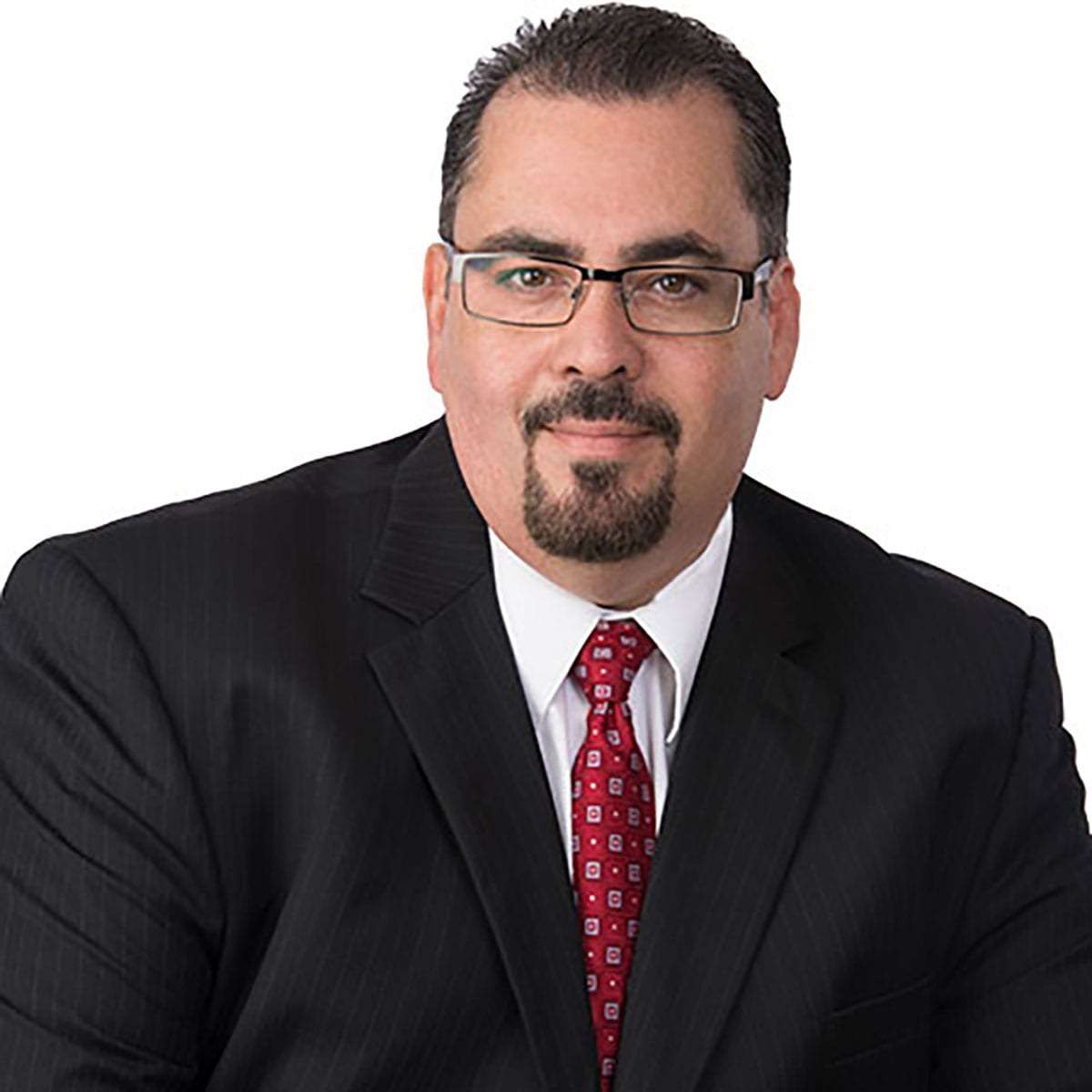
Dr. Torres established Novus Spine & Pain Center in Lakeland, Florida with a goal of providing the highest quality pain management care to every patient. Whether pain is the result of an injury or from another condition, Dr. Torres offers many different treatment options.
Novus Spine & Pain Center utilizes a comprehensive approach and cutting-edge therapies to restore normal function and allow patients to regain an active lifestyle while minimizing the need for opiates. As our patient, you are our top priority. Our goal is to help you achieve the best possible quality of life.
Our Mission Statement: To provide the best quality of life to people suffering from pain, by providing state of the art treatments, knowledge and skill, compassion, and respect for all.
To schedule an appointment, please contact us online, request a call back, or call our office at 863-583-4445.
Additional Resources
- Multimodal non-invasive non-pharmacological therapies for chronic pain: mechanisms and progress (NLM)
- Minimally invasive interventional therapy for pain (NLM)
- Pain Treatments (Novus Spine & Pain Center)
- Non-Interventional Pain Management (Novus Spine & Pain Center)
- What is the Difference Between Non-Interventional and Interventional Pain Management? (Novus Spine & Pain Center)