
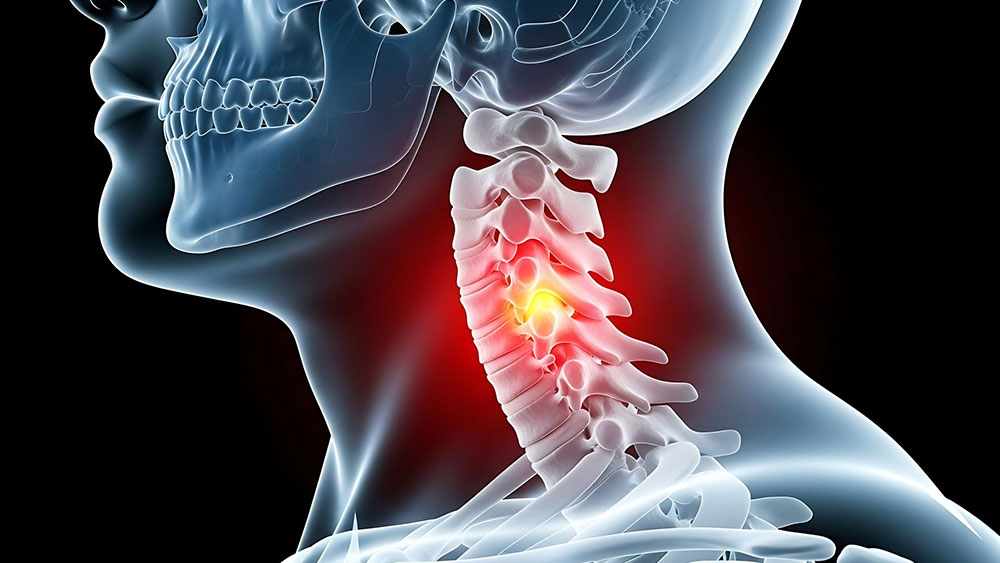
Cervical spinal stenosis is a condition characterized by narrowing of the spinal canal in the neck, which can compress the spinal cord or nerve roots. While the diagnosis involves structural changes to the spine, clinical experience demonstrates that many patients effectively manage this condition through conservative care rather than surgical intervention.
This guide addresses the essential clinical questions regarding symptoms, diagnostic criteria, and the therapeutic options available to restore function and mobility.
Key Takeaways
- Definition: Cervical spinal stenosis is a narrowing of the spinal canal in the neck that can compress nerves.
- Symptoms: Look for neck pain, as well as numbness, tingling, or weakness in the hands and arms.
- Causes: The most common cause is the natural aging process, including bone spurs and disc changes.
- Diagnosis: An MRI is typically the best way to visualize the soft tissues and confirm nerve compression.
- Treatment: Most patients can find relief through non-surgical methods like physical therapy and injections.
What Is Cervical Spinal Stenosis?
Cervical spinal stenosis is a medical condition where the hollow space within the spinal canal in your neck narrows. This narrowing can slowly put pressure on the sensitive spinal cord and the nerve roots that travel from your spine into your arms and hands. While the concept of “narrowing” sounds alarming, many people manage this condition successfully without invasive procedures.
What happens to the spine?
Your spine consists of a column of bones called vertebrae that create a protective tunnel for your nervous system. In a healthy spine, there is ample room for the spinal cord and nerves to pass through without obstruction. When stenosis occurs, this tunnel tightens due to changes in bone or tissue, crowding the nerves and disrupting the signals they send to the rest of your body.
Is this different from lumbar stenosis?
Yes, the location of the narrowing significantly affects the symptoms you experience. Lumbar stenosis occurs in the lower back and typically affects the legs, while cervical stenosis occurs in the neck and affects the arms, hands, and balance. It is important to distinguish between the two because the potential risks and treatment approaches can vary depending on the location of the compression.
What Are the Signs and Symptoms?
Symptoms of cervical spinal stenosis often develop gradually over time, which can make them difficult to recognize at first. You might dismiss early signs as simple muscle strain or “sleeping wrong,” only to find that the sensations persist or worsen. It is crucial to pay attention to these signals, as they are your body’s way of telling you that your nerves are under pressure.
What does the pain feel like?
Pain from cervical stenosis is often described as a shooting or burning sensation that travels from the neck down into the shoulder or arm. This type of radiating pain is clinically known as radiculopathy and occurs when a specific nerve root is compressed. Unlike a dull muscle ache, this pain can feel sharp, electric, or like a “pinched nerve” that does not go away with rest.
Are there symptoms other than pain?
Pain is not the only warning sign, and in some cases, it may not even be the most prominent symptom you experience. Compression of the spinal cord or nerves can interrupt the signals required for movement and sensation. You should be aware of these non-painful symptoms:
- Numbness or tingling: You may feel a “pins and needles” sensation in your hands, fingers, or arms.
- Weakness and clumsiness: You might find it difficult to button a shirt, drop objects frequently, or feel weakness in your grip.
- Balance issues: Severe compression can affect your coordination, making you feel unsteady on your feet or causing trouble with walking.
What Causes the Spinal Canal to Narrow?
Most patients are eager to know the underlying cause of their condition and often ask if a specific injury is to blame. While trauma can contribute to spinal issues, the most common causes are related to slow changes within the body. Understanding these causes can help you realize that stenosis is often a manageable aspect of your skeletal health rather than a sudden failure.
Is it just a part of aging?
The primary driver of cervical spinal stenosis is the natural aging process and the wear and tear it places on your spine. As we get older, the body may form bone spurs, or osteophytes, to stabilize the neck joints. These bony overgrowths can intrude into the spinal canal, reducing the space available for your nerves.
Can herniated discs cause it?
Your spine contains rubbery discs between the vertebrae that act as shock absorbers for your neck and back. Over time, these discs can dry out and flatten, or the soft inner material can push through a crack in the exterior casing. This bulging or herniated disc material can press directly against the spinal cord or nerve roots, resulting in significant narrowing of the spinal canal.
How Is Cervical Spinal Stenosis Diagnosed?
A proper diagnosis is essential because many different issues can cause neck pain. Your doctor will need to verify that your symptoms are coming from stenosis and not another condition. This process typically involves a conversation about your history, a physical exam, and specialized imaging tests.
What will happen during my exam?
Your doctor will begin by asking detailed questions about your symptoms, such as where you feel pain and if you have noticed any weakness. They will physically examine your neck to assess your range of motion and identify any tender spots. They will also test your reflexes and muscle strength in your arms and hands to see if your nerves are functioning correctly.
What tests would you recommend?
To confirm the diagnosis, your doctor will likely order imaging tests to see the structures inside your neck. X-rays can show the alignment of your bones and reveal if bone spurs are present. However, an MRI (Magnetic Resonance Imaging) is often preferred because it provides a clear, detailed view of soft tissues, nerves, and the spinal cord.
What Are My Treatment Options?
Once a diagnosis is confirmed, the conversation shifts to how you can find relief and return to your normal activities. Many patients fear that spinal surgery is inevitable, but there are many effective non-surgical ways to manage symptoms. Your treatment plan will depend on the severity of your symptoms and how much they impact your daily life.
Can I treat this without surgery?
Yes, the majority of patients with spinal stenosis can manage their symptoms without undergoing major surgery. Doctors typically begin with conservative care, such as physical therapy to strengthen neck muscles and improve posture. Anti-inflammatory medications may also be recommended to reduce swelling and relieve pressure on the nerves.
How do injections help?
If conservative measures do not provide enough relief, interventional pain procedures can be a powerful next step. A cervical steroid injection treatment delivers potent anti-inflammatory medication directly to the area where the nerve is being compressed. This targeted approach can significantly reduce inflammation and pain, allowing you to participate more fully in physical therapy and daily tasks.
When is surgery considered?
Surgery is generally reserved for patients who have not found relief through non-invasive treatments or who have severe neurological symptoms. If you are experiencing progressive weakness in your arms or significant problems with balance, surgical intervention may be necessary to prevent permanent damage. Your doctor will discuss these risks with you and help you decide if a procedure to decompress the spine is the right choice.
FAQs
What exactly is causing my pain?
Your pain is caused by the narrowing of the spinal canal, which compresses the nerves or spinal cord. This pressure causes the nerves to become inflamed, sending pain signals to your brain.
Can aging really cause this much pain?
Yes, aging is a primary factor because it leads to degenerative changes, such as bone spurs and thickened ligaments. These changes reduce the space available for your nerves, even if you haven’t had a specific injury.
Will exercise make my condition worse?
Generally, no, but the type of exercise matters. While high-impact activities might aggravate it, targeted physical therapy can strengthen the neck muscles and support the spine, often reducing pain.
What does the pain feel like?
Patients typically describe it as a burning, shooting, or electric shock sensation that travels down the arm. You might also feel a dull ache in the neck itself.
Are there non-medication approaches to treat this?
Absolutely. Many patients find relief through physical therapy, lifestyle modifications, and interventional procedures such as nerve blocks that do not require daily oral medication.
Do I have to take opioids for this pain?
No, modern pain management emphasizes non-opioid solutions. Treatments like radiofrequency ablation or steroid injections target the source of the pain rather than just masking it with medication.
What are the risks of treatment?
Every medical procedure carries some risk, but non-surgical interventions generally have lower risks than surgery. Your doctor will discuss potential side effects, such as temporary soreness or infection, before any procedure.
How long will it take to see results?
This depends on the treatment chosen. Steroid injections may provide relief within a few days, while physical therapy is a gradual process that builds strength over weeks.
Is surgery inevitable?
Surgery is not inevitable for everyone. Many patients manage their symptoms successfully for years with conservative, minimally invasive treatments.
What should I ask my doctor at the first visit?
You should ask about your specific diagnosis, the available treatment options, and what you can do at home to manage your pain. It is also helpful to ask about realistic expectations for pain relief.
Conclusion
Cervical spinal stenosis is a complex condition, but it does not have to define your future or limit your life. By working with a specialist to understand your specific needs, you can explore a wide range of treatments designed to reduce pain and restore function. If you are experiencing symptoms of neck pain or numbness, schedule a consultation to discuss your options and start your journey toward relief.
Novus Spine & Pain Center
Dr. Torres established Novus Spine & Pain Center in Lakeland, Florida with a goal of providing the highest quality pain management care to every patient. Whether pain is the result of an injury or from another condition, Dr. Torres offers many different treatment options.
Novus Spine & Pain Center utilizes a comprehensive approach and cutting-edge therapies to restore normal function and allow patients to regain an active lifestyle while minimizing the need for opiates. As our patient, you are our top priority. Our goal is to help you achieve the best possible quality of life.
Our Mission Statement: To provide the best quality of life to people suffering from pain, by providing state of the art treatments, knowledge and skill, compassion, and respect for all.
To schedule an appointment, please contact us online, request a call back, or call our office at 863-583-4445.
Resources for Additional Research
- Spinal Stenosis – Symptoms and Causes: Mayo Clinic
- Spinal Stenosis: Cleveland Clinic
- Cervical Spondylotic Myelopathy (Spinal Cord Compression): American Academy of Orthopaedic Surgeons